Notes on Belonging, Memory, Time and Place

I often think about the ocean floor.
Far beneath the surface, where sunlight cannot reach, currents move silently across vast distances. They carry memory from one shore to another. Sediment, salt, nutrients, fragments of life all traveling through invisible pathways that connect places that may never see each other. The sea appears divided by islands, borders, and maps, yet underneath, everything is in motion. Everything is connected.
I have spent much of my life wondering if people move this way too.
I grew up in Barrio Cerro Gordo in Bayamón, Puerto Rico, in a house where culture existed not as an institution but as a way of living. My great-grandfather played the trumpet. My grandfather, a frustrated musician with the soul of a performer, filled our weekends with boleros and salsa. He could make a güiro sing at any gathering and watched three, sometimes five films a day. He loved to tell people he could have been an actor because he was so handsome. Whether they believed him or not never seemed to matter.
My mother worked long hours to provide for us, which meant I was largely raised in my grandparents' home. Those years gave me something I did not understand the value of until much later: time. Time spent watching my grandfather prepare breakfast. Time spent doing homework at the kitchen table. Time spent listening to him explain why language mattered, why words mattered, why curiosity mattered.
He became my first teacher.
Long before I entered a museum, I was surrounded by stories, music, cinema, literature, performance. My family taught me that art was not separate from everyday life. It lived in conversations, in songs played too loudly, in the way people remembered things, in the way they told stories over and over again until those stories became part of who we were.
I became fascinated with preserving those moments.
Years later, after Hurricane María devastated Puerto Rico in 2017 and forced me to relocate to the United States, that fascination became an urgency. Every time I returned home, something felt different. The roads seemed unfamiliar. The landscape had shifted. The house that had held my childhood felt simultaneously mine and no longer mine.
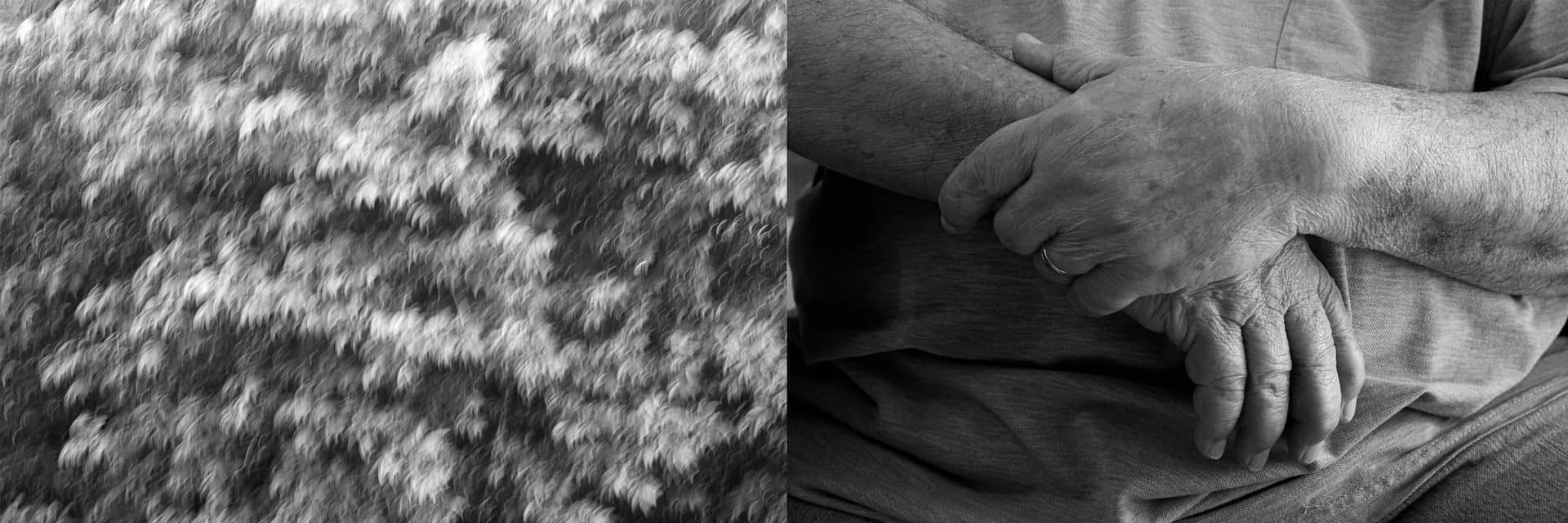
I was terrified that one day there would be nothing left to remember it by.
The Casa/Home series emerged from that fear. Through photography and video, I began creating an archive of my grandparents, their house, my field, my memories. What began as documentation became something else: a way of holding on. A way of returning. A way of negotiating the growing distance between where I was and where I came from.
Because that is the thing about migration. Sometimes the distance is not measured in miles.
Sometimes it is measured in language.
Sometimes in memory.
Sometimes in the realization that the place that formed you continues changing while you are away.
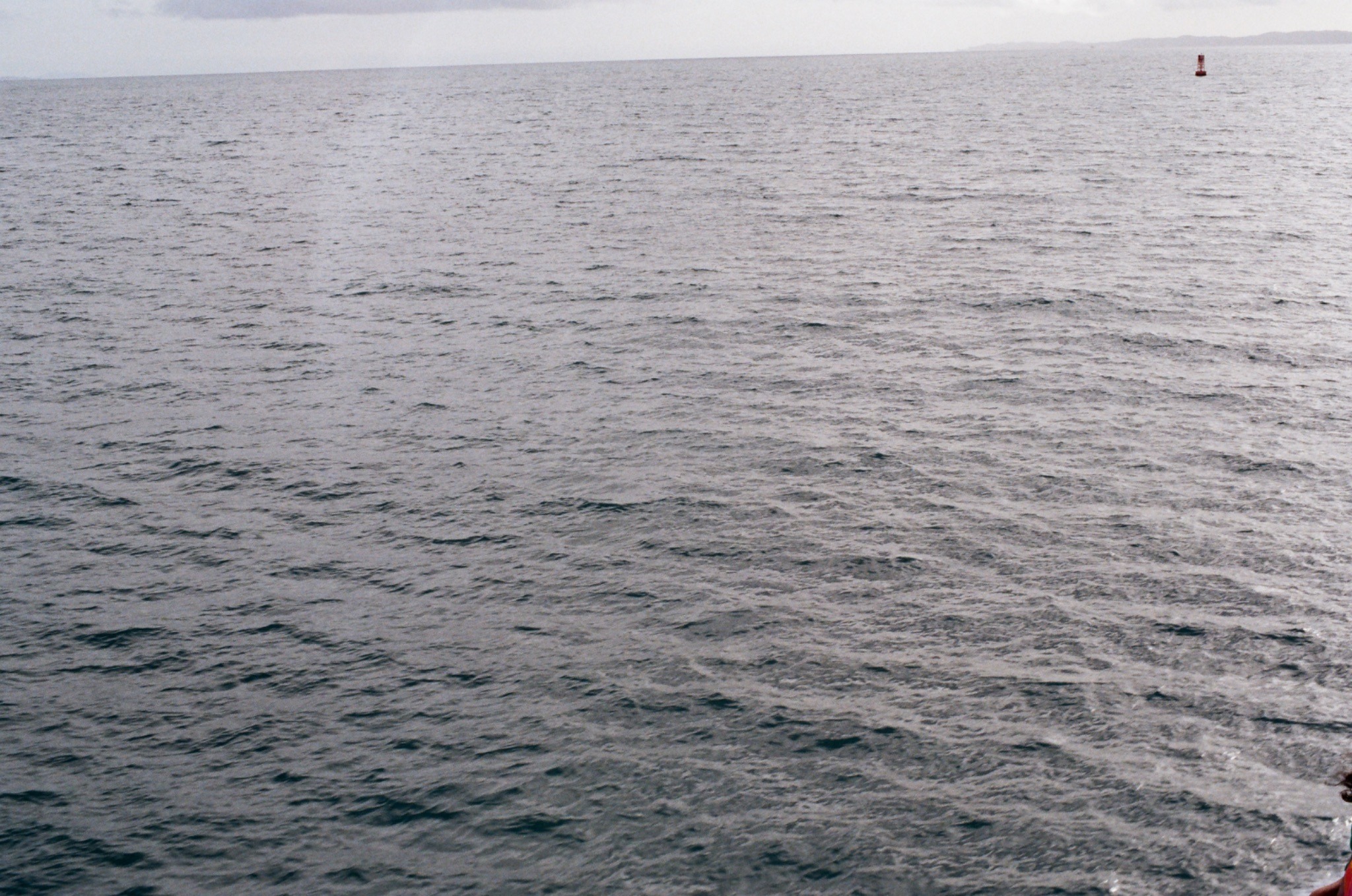
As my life expanded beyond Puerto Rico, so did the currents shaping me. Miami introduced me to the infrastructure of the art world—the mechanics behind exhibitions, institutions, funding, and audiences. New York taught me to think across geographies, to recognize patterns between seemingly unrelated histories, and to imagine cultural work as something both local and global.
Yet with every move, I found myself inhabiting an increasingly unfamiliar space.
Not fully here.
Not fully there.
Suspended between multiple versions of home.
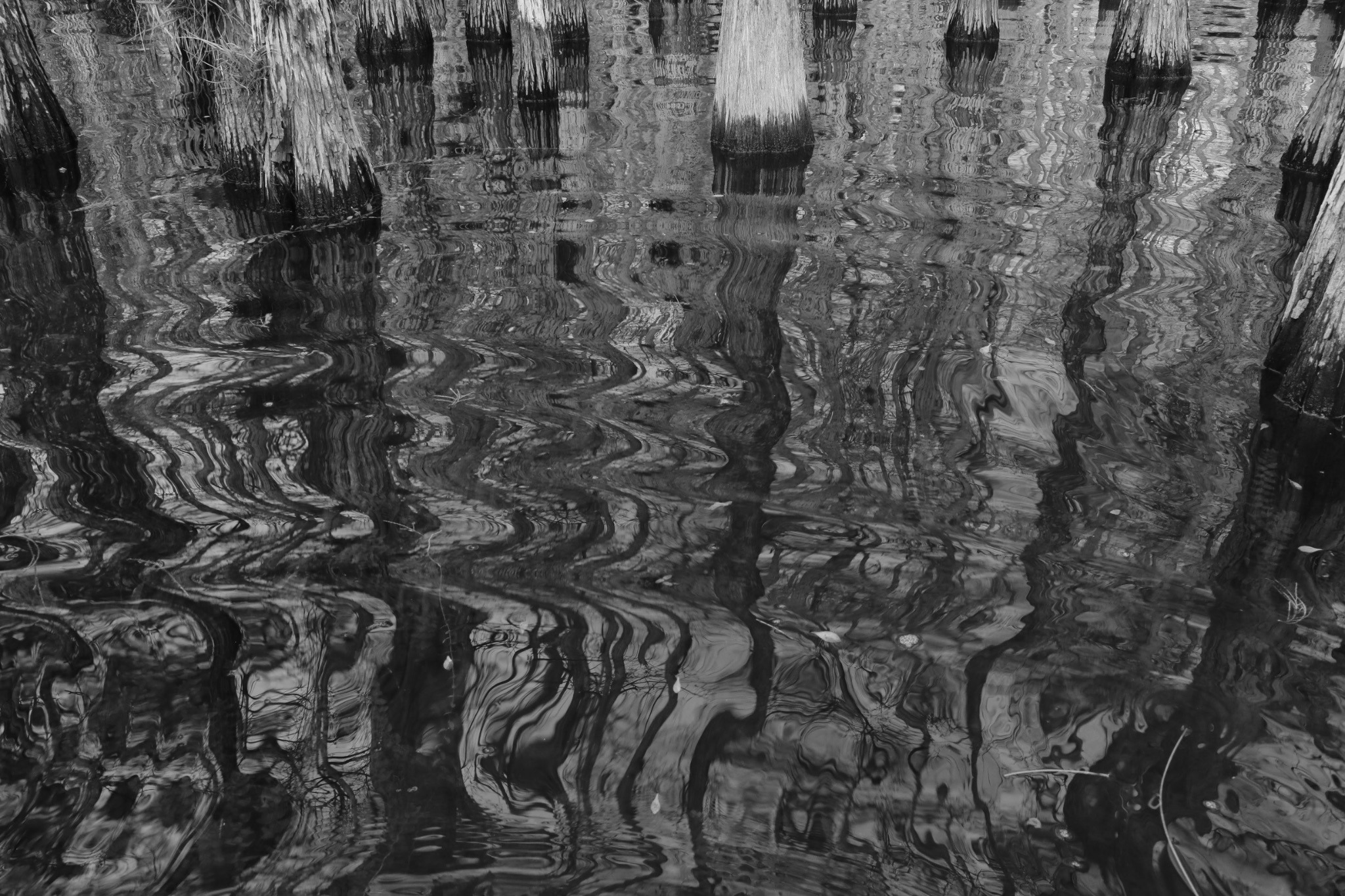
I began to understand that the most important transformations happen in these spaces of transition. The places where identities overlap. Where languages bleed into one another. Where memories refuse singular narratives. Where belonging becomes a practice rather than a destination.
The Caribbean itself exists in this condition.
It is a region connected by water and fragmented by history. A geography of proximity and distance. An archipelago of cultures, languages, migrations, and memories linked by currents that continue to move beneath the surface.
For many of us, memory becomes the bridge.
The writer Edwidge Danticat once wrote, "I come from a place where breath, eyes, memory are one." That sentiment feels deeply familiar. In the Caribbean, memory is never solely personal. It lives in the landscape. In the ocean. In architecture. In music. In recipes. In the stories our elders repeat. It survives in places long after people have left them.
For those of us who have migrated, memory often becomes a second homeland.
A place we return to when return itself becomes impossible.
Photography has become my way of tracing these currents. It allows me to capture not only what is visible, but what exists between moments. The pause before someone speaks. The shadow left behind by absence. The evidence of a life that may otherwise disappear.
Without realizing it, I became the keeper of fragments. Family photographs, home videos, documents, and stories passed quietly from one generation to another eventually found their way to me. Over time, my relatives began entrusting me with the materials that carried our history. I became a steward of memory, gathering traces of lives, places, and relationships that might otherwise disappear. Long before I understood myself as a curator, I was already practicing a form of care through preservation.
Curating, too, feels connected to this act of preservation. It is a form of caretaking. A responsibility to hold space for stories, histories, and voices that might otherwise drift out of view. It requires moving between communities, perspectives, and experiences while remaining attentive to what each one carries.
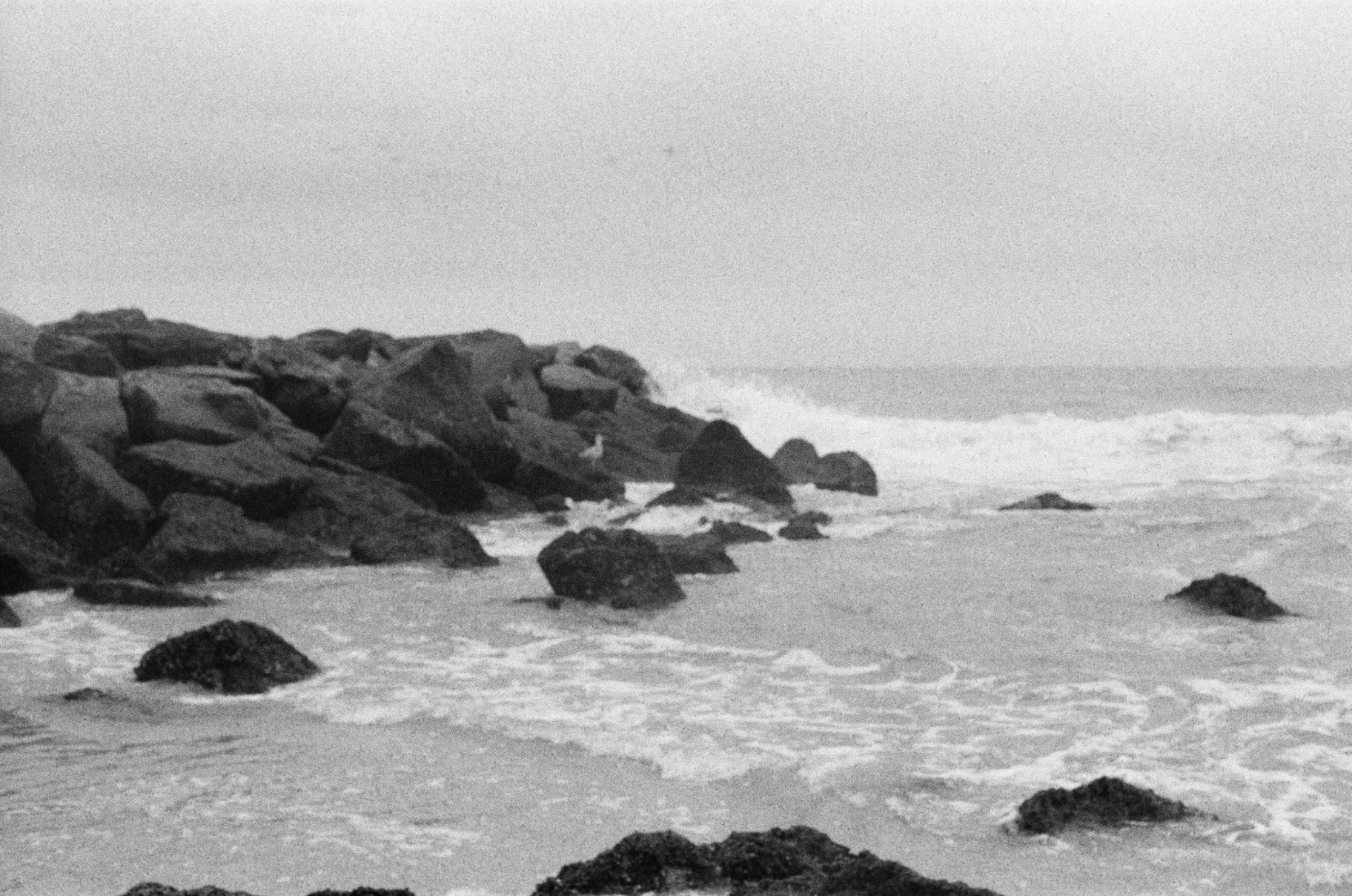
Perhaps that is what lies between currents.
Not emptiness.
Not separation.
But possibility.
A space where identities remain unfinished. Where memory and imagination coexist. Where multiple histories can occupy the same horizon. Where we learn that belonging is not always rooted in a single place, but in the relationships we build between places.
Currents are rarely visible from the surface, yet they shape entire ecosystems. They carry fragments of one world into another. They transform landscapes without announcing themselves.
We are shaped much the same way.
By the places we leave.
By the places that leave us.
By the memories we carry across water.
And by the invisible currents that continue moving through us long after we think we have arrived.